
A painted cave you can still enter
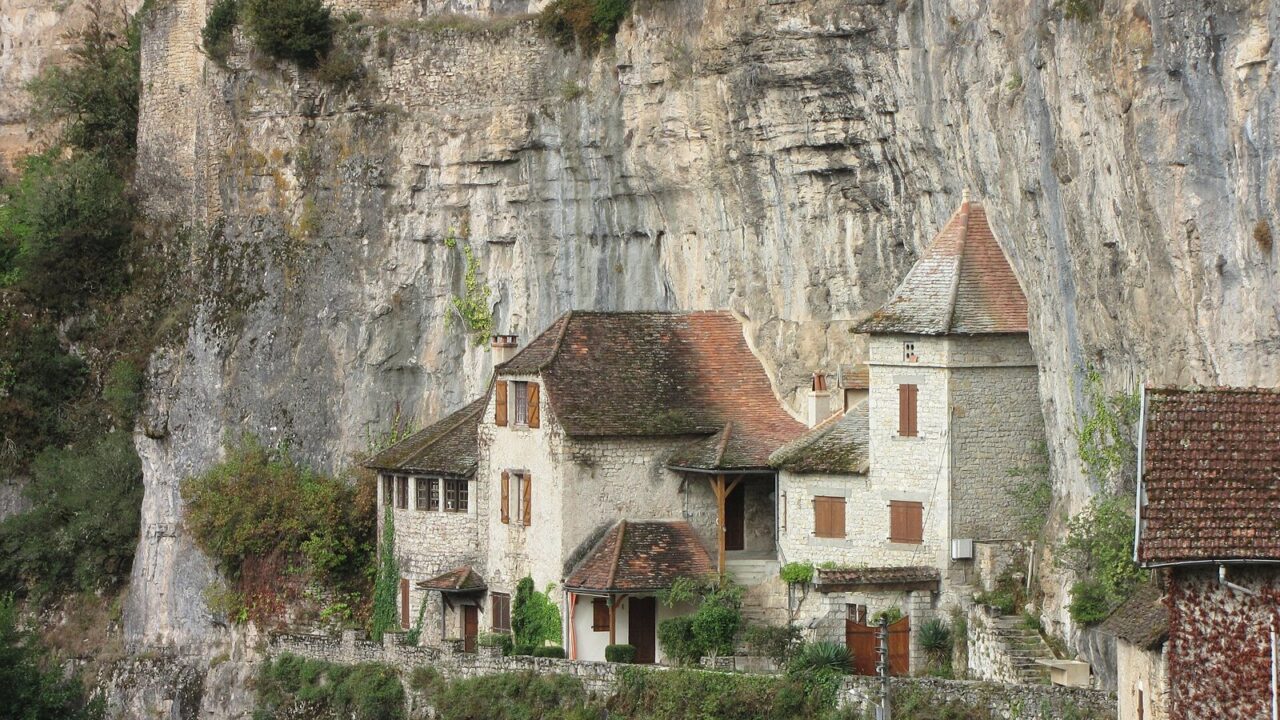
In the Lot, above the village of Cabrerets and the Célé valley, the cave of Pech Merle brings together the beauty of its rock formations and prehistoric art. Its most famous works, including the panel of the spotted horses, go back about 29,000 years, to the Gravettian. Explored in 1922 by young cavers, it keeps remarkable art that you can admire in its natural setting, which is exceptional for a decorated cave.
The spotted horses
On one wall two horses stand back to back, covered in black dots, surrounded by hand stencils and coloured discs. This spotted coat was long thought imaginary, but it may well have existed: genetics has shown that some Palaeolithic horses really did have a spotted "leopard" coat. Charcoal taken from the black of one of the horses gave 24,640 ± 390 years BP in radiocarbon years, which calibrates to about 29,000 calendar years. It is the only solid direct date from the cave; the rest of the decoration is dated by style, in several phases between about 25,000 and 15,000 years ago.
In 1990 the prehistorian Michel Lorblanchet tried to reproduce the panel, blowing charcoal powder mixed with saliva and water directly from his mouth, for seven hours a day over a week. Whether the dots show a real coat or a sign (or both) remains an open question.
Hands, mammoths and signs
Pech Merle also holds mammoths, bison, aurochs and a composite figure, half woman and half bison. The black frieze, on a wall seven metres long, brings together 25 animal drawings in black line. The mammoth is the most common animal in the cave, with 28 figures, and almost 800 motifs are recorded in all. A bear's head engraved with flint hides in the corridor that bears its name, and a red hand stencil, probably a woman's, is accompanied by thirteen red dots. On the ceiling, finger tracings in the clay date from between about 27,000 and 25,000 years ago.
Footprints in the Disc Gallery
In the Disc Gallery a small patch of clay of about 9 m² keeps human footprints, protected by a thin film of calcite. The official site speaks of a dozen prints of a child or teenager. In 2013 three Ju/'hoansi trackers from Namibia re-read the floor with archaeologists and recognised seventeen prints left by five people walking barefoot, from about 9 or 10 years old to over 50. The prints are not dated, so nothing proves they are as old as the horses.
A cave shaped by water
Unlike many painted caves, Pech Merle is also a geological splendour. It runs for more than two kilometres on two levels, with large chambers: the ceiling of the Bear Gallery rises to about 11 metres. The "discs" that give a gallery its name are the geological curiosity of the place, each made of two plates of calcite separated by a very fine crack. Stalactites, columns and curtains complete the setting, mixing the art of the Earth with that of humans.
From 1922 to today
In 1922 two teenagers, André David (16) and Henri Dutertre (15), discovered the decorated galleries of the lower network. The priest of Cabrerets, Abbé Amédée Lemozi, began studying the paintings and engravings at once. The cave opened to the public in 1926 and became a historic monument in 1952. It belongs to the commune of Cabrerets, which manages the visits.
Planning your visit
The paintings remain very fragile, so the number of visitors and the time spent in the cave are limited, with groups of 25 people. Your ticket also includes the Amédée Lemozi museum next door and its 25-minute film. The museum, which holds the Musée de France label, traces over 350,000 years of human occupation in the Quercy and shows items from caves closed to the public.
- Getting there: from the A20 take exit 57 (Cahors nord). The last two kilometres climb steeply. Two free car parks.
- Tickets: collect them at least 30 minutes before your visit time.
- Not allowed: animals, pushchairs, photos and video in the cave. The visit is strongly discouraged for under-3s.
Another painted cave you can enter in the original in the Lot is Cougnac, at Payrignac near Gourdon, with ibex, mammoths and human figures. To build a longer trip, see the Quercy around Pech Merle, or compare with Niaux and the guide to painted caves in France.
Practical information was checked in October 2026: please confirm opening times and book on the official website before your visit.